County trash has to go to the county St. Lawrence County Flow Control Law (2008)
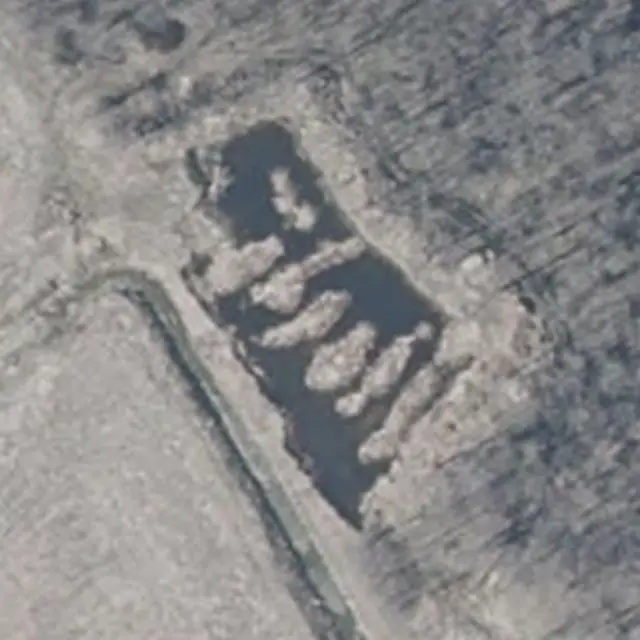
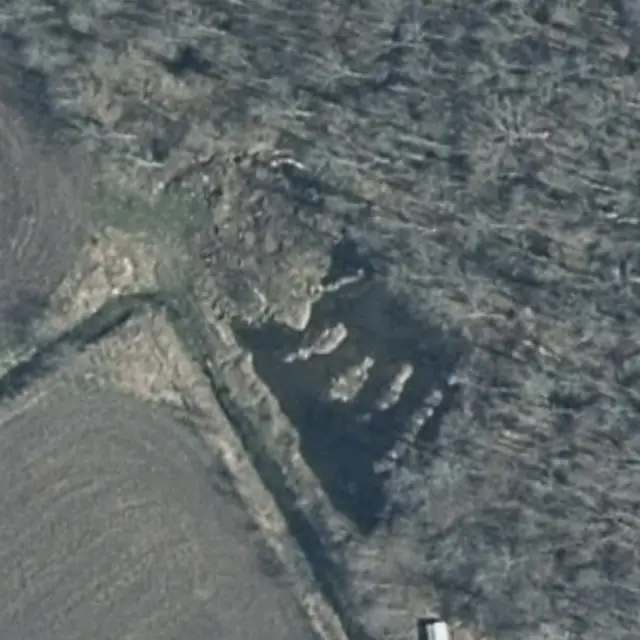
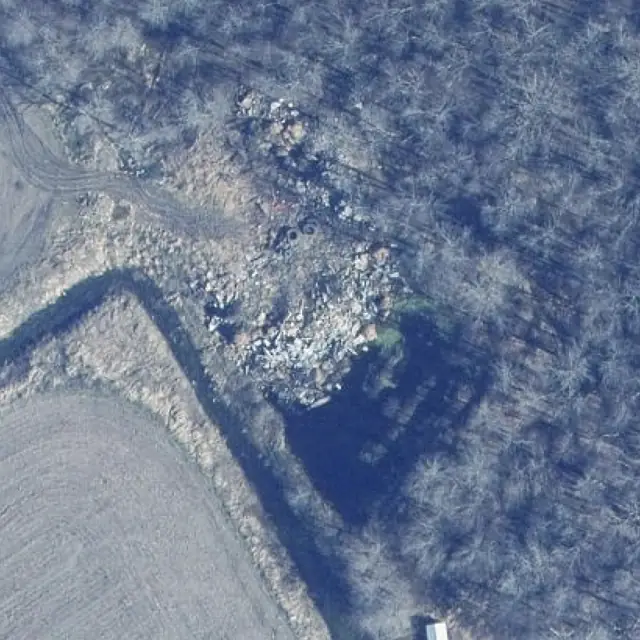
Solid waste generated in St. Lawrence County must be disposed of in St. Lawrence County — at a county transfer station or the Development Authority of the North Country landfill. Water behind a farm field is not on the list.
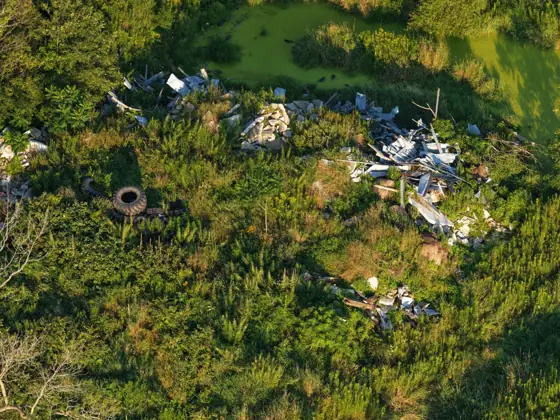
Open dumping is illegal, and DEC Region 6 enforces it here 6 NYCRR Part 360 • ECL §71-2703
New York bans disposing of solid waste anywhere except an authorized facility. In St. Lawrence County that’s enforced out of DEC’s Region 6 office in Watertown. Civil penalties run up to $7,500 per violation, plus up to $1,500 for every day it continues.
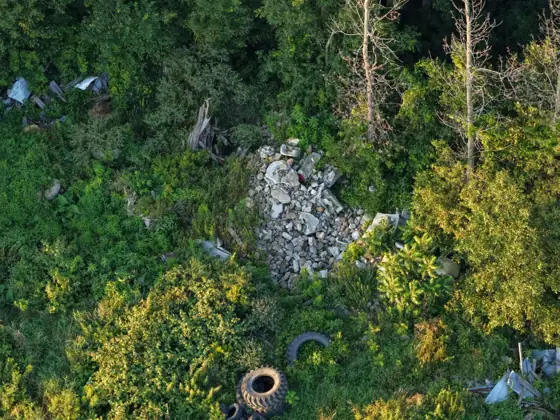
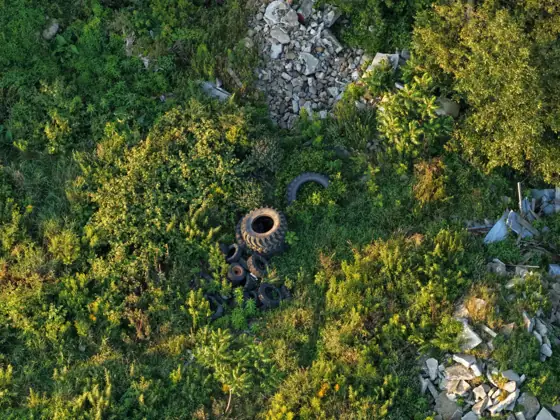
Tires can’t be stockpiled outdoors ECL §27-1901 et seq. • 6 NYCRR 360.14
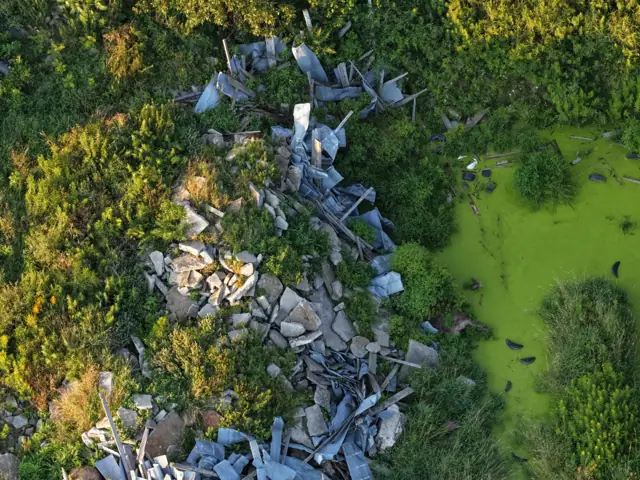
The state regulates waste tires specifically because piles breed mosquitoes and burn for days. Storing them outdoors without controls is a violation, and larger piles need a DEC permit.
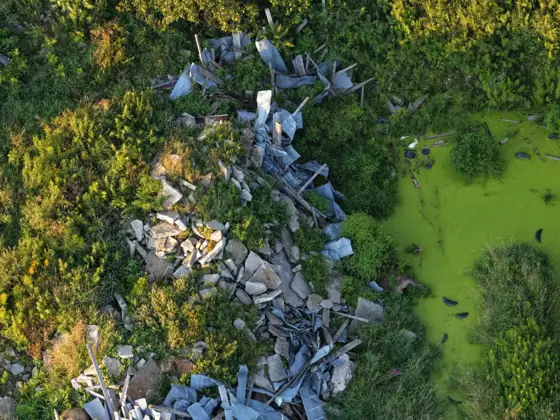
Nothing goes in the water ECL §17-0501 • 6 NYCRR Part 608
It is unlawful to place material into waters of the state in a way that causes or contributes to pollution, and filling or dumping in protected water or a wetland needs a permit. Tires and treated lumber floating in neon green water is the textbook case.
Lisbon’s code officer can cite it tomorrow NYS Property Maintenance Code §302.1 • Town of Lisbon Code Enforcement
The state Property Maintenance Code, enforced by the Town of Lisbon’s code enforcement officer, requires every property to be kept free of accumulated rubbish and garbage. No new law is needed — though the Town Board has been talking about a garbage law of its own since late 2024.
Federal law applies too Clean Water Act • 33 U.S.C. §1251 et seq.
The Clean Water Act is the main federal statute governing discharges to waters of the United States.
If the state won’t act, the EPA can 33 U.S.C. §1342 • 40 C.F.R. Part 123
The EPA retains oversight of New York’s program: it can object to state permits, take direct enforcement, or begin proceedings to withdraw the state’s authorization if the state fails to administer the program consistent with the Act.
And so can any citizen 33 U.S.C. §1365
Citizen suits under the Clean Water Act can force compliance against polluters directly.